The Oven’s Many Possibilities: How to Get the Most Out of Convection, Broil, and Steam Settings

The Oven’s Many Possibilities: How to Get the Most Out of Convection, Broil, and Steam Settings
Modern ovens can do far more than just bake a casserole or roast a chicken. With features like convection, broil, and steam, you can prepare food that’s tastier, more evenly cooked, and often healthier. But how do you make the most of these settings? Here’s a guide to help you unlock your oven’s full potential—whether you’re a beginner in the kitchen or a seasoned home cook.
Convection – Even Heat and Crisp Results
The convection setting is one of the most useful features in today’s ovens. A built-in fan circulates hot air throughout the oven cavity, ensuring even cooking and browning on every rack.
- Perfect for baking: Cookies, pastries, and breads bake evenly and develop a beautiful golden color. You can bake multiple trays at once without rotating them.
- Efficient roasting: Meats and vegetables cook faster and more evenly, and you can often lower the temperature by about 25°F compared to conventional baking.
- Energy-saving: Because the heat is distributed more efficiently, your oven doesn’t need to stay on as long.
A good tip: don’t overcrowd your baking sheets. Air needs to circulate freely for the convection fan to do its job properly.
Broil – Intense Heat and Golden Finishes
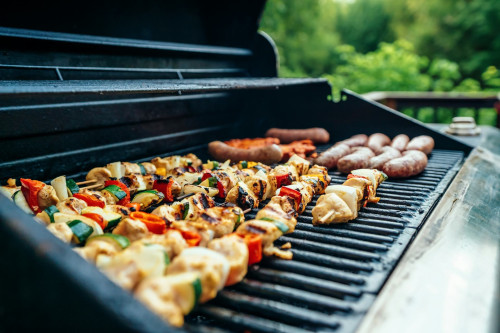
The broil function works like an upside-down grill, using direct, high heat from the top of the oven. It’s ideal for achieving a crisp, caramelized surface or finishing dishes with a golden touch.
- Great for gratins and casseroles: Give mac and cheese or shepherd’s pie a bubbly, browned top.
- Perfect for quick-cooking proteins: Thin cuts of steak, fish fillets, or chicken breasts get a nice sear in minutes.
- Finishing touch: Use broil at the end of cooking to add color and texture to roasted vegetables or baked dishes.
Always keep an eye on your food when broiling—things can go from perfectly browned to burnt in seconds.
Steam – Moisture, Flavor, and Precision
Steam ovens are becoming increasingly popular in American kitchens, and for good reason. By adding moisture during cooking, steam helps preserve food’s natural texture, color, and nutrients.
- Ideal for vegetables: Steamed veggies stay crisp-tender and retain their bright color and vitamins.
- Perfect for bread: A burst of steam at the start of baking helps create a glossy, crisp crust and a soft, airy interior.
- Juicy meats and fish: Steam prevents food from drying out, making it easier to achieve tender, perfectly cooked results.
If your oven doesn’t have a steam function, you can mimic the effect by placing a small oven-safe dish of water on the lower rack while baking or roasting.
Læs også:
Combine Settings for the Best Results
Many dishes benefit from combining oven functions. For example, start with convection to cook food evenly, then switch to broil for a crisp, browned finish. Or use steam at the beginning of bread baking and finish with dry heat for the perfect crust.
Some ovens even have preset programs that automatically combine these settings—but experimenting on your own is half the fun. The more you get to know your oven, the better you’ll understand how it responds to different foods.
Maintenance and Cleaning
To keep your oven performing at its best, regular cleaning is essential. Grease and food residue can affect both heat distribution and flavor. Use your oven’s self-cleaning cycle if it has one, or wipe it down with a damp cloth after use. Don’t forget to clean the fan cover and broiler pan regularly.
A clean oven not only cooks better—it lasts longer and uses less energy.
Your Oven Can Do More Than You Think
Once you learn how to use your oven’s features effectively, you’ll discover a world of new cooking possibilities. You can bake like a pro, roast juicy meats, and create crisp, flavorful vegetables—all with the same appliance. It just takes a bit of curiosity and a willingness to experiment.
So next time you turn on your oven, try something new: switch between convection, broil, and steam, and see how small adjustments can elevate your cooking to a whole new level.
Læs også: