From Campfire Meals to Gourmet Cuisine: The Journey of Food Culture Through History

From Campfire Meals to Gourmet Cuisine: The Journey of Food Culture Through History
Food has always been more than mere sustenance—it’s a reflection of who we are, where we come from, and how we live together. From the first sparks of fire in prehistoric camps to the refined tasting menus of modern restaurants, the story of food is the story of human creativity, technology, and community. But how did we go from roasting meat over open flames to crafting intricate dishes worthy of Michelin stars?
The Discovery of Fire – The Birth of Food Culture
When early humans learned to control fire roughly 400,000 years ago, everything changed. Cooking made food safer, easier to digest, and far more flavorful. The campfire became a gathering place—a space for sharing stories, experiences, and meals.
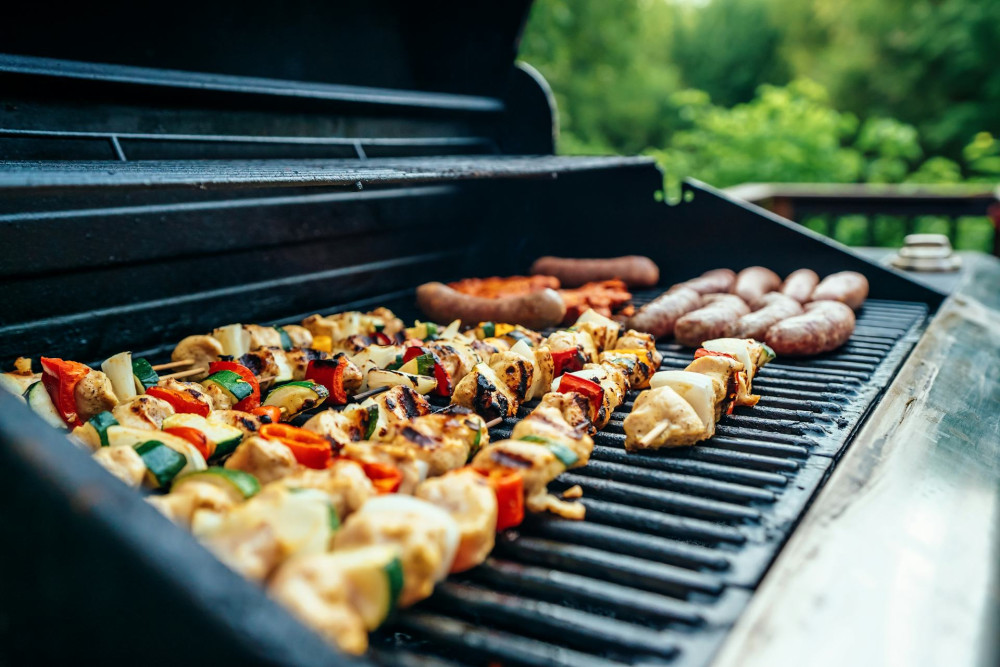
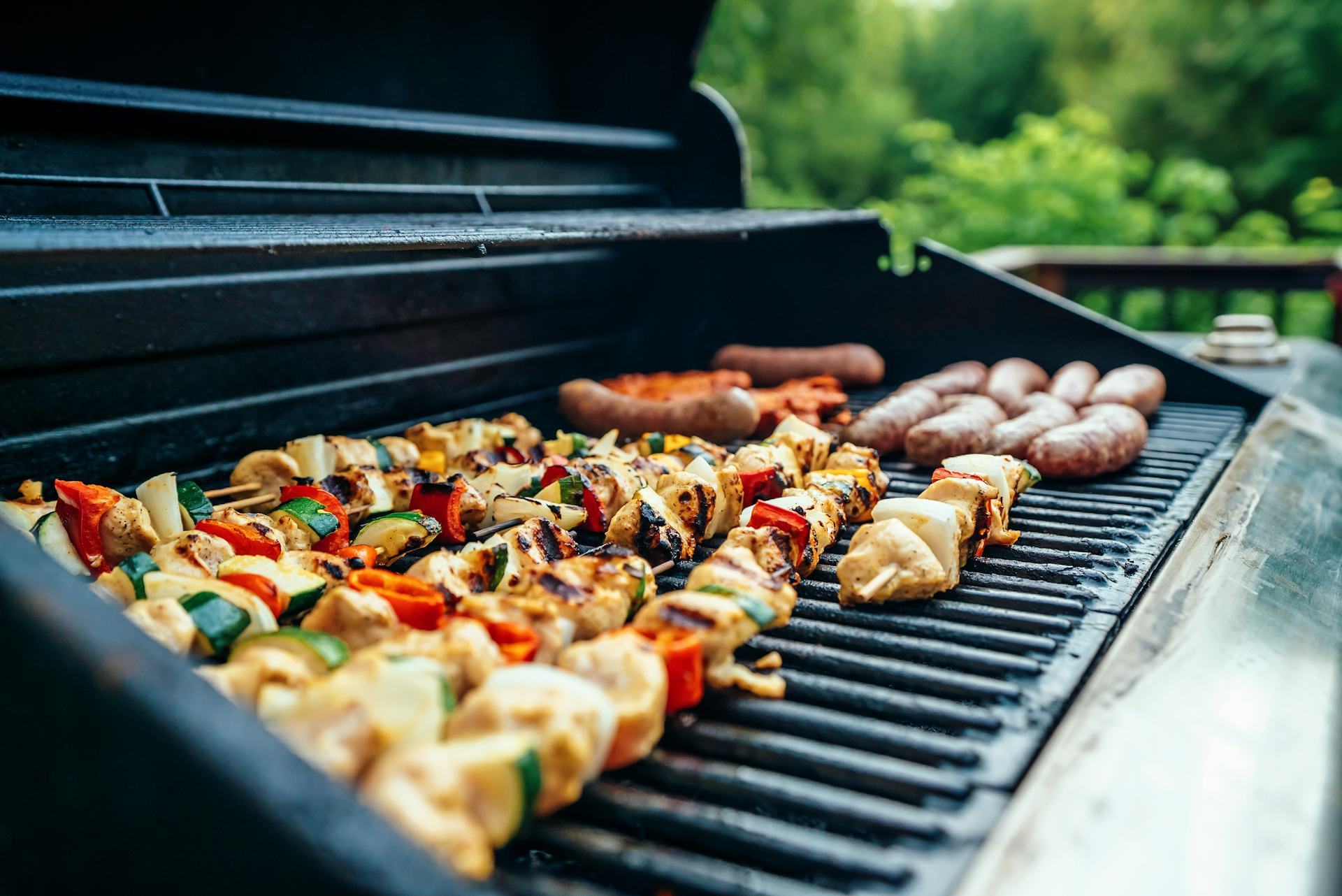
The earliest “recipes” were simple: meat roasted over embers, roots baked in ashes, fish grilled on hot stones. Yet even then, food began to take on cultural meaning. Sharing a meal became a symbol of survival, cooperation, and belonging.
The Agricultural Revolution – From Hunters to Farmers
Around 10,000 BCE, humans began cultivating crops and domesticating animals. Agriculture allowed people to produce and store food, giving rise to settled communities and the first food traditions. Grains, dairy, and vegetables became staples, forming the foundation of countless cuisines.
As societies grew, so did specialization. Farmers, bakers, brewers, and traders emerged, and food became a commodity. Regional flavors developed, and dishes like bread, cheese, and beer—still central to many diets today—trace their origins to this era.
The Middle Ages – Spice, Status, and Symbolism
In medieval Europe, food became a marker of wealth and power. The elite flaunted their status with exotic spices like saffron, cinnamon, and pepper—luxuries imported from distant lands. These ingredients were prized not only for their taste but also for the prestige they conferred.
For ordinary people, meals were simpler: porridge, bread, cabbage, and the occasional bit of meat. Yet even in modest kitchens, creativity thrived. Fermenting, drying, and pickling were essential techniques born of necessity but also expressions of ingenuity. Nothing went to waste, and every meal told a story of resourcefulness.
The Renaissance and Enlightenment – Food as Art
By the 16th and 17th centuries, cooking had evolved into an art form. European courts competed to host lavish banquets, and chefs became respected artisans. The arrival of new ingredients from the Americas—tomatoes, potatoes, corn, and chocolate—transformed global cuisine.
Cookbooks began to circulate among the educated classes, spreading ideas and recipes. Food was no longer just about survival; it became a matter of aesthetics, identity, and pleasure. Dining was an experience to be savored and shared.
Læs også:
The Industrial Age – Feeding the Masses
The 19th century brought industrialization, which revolutionized how food was produced and consumed. Canning, refrigeration, and railroads made it possible to transport and preserve food on an unprecedented scale. For the first time, city dwellers could enjoy products from faraway regions year-round.
But mass production also had its downsides: standardization, loss of local traditions, and a growing disconnect between people and the sources of their food. As processed foods filled grocery shelves, nostalgia for homemade, artisanal fare began to stir—a longing that would later fuel the farm-to-table movement.
The Modern Kitchen – From Homemaker to Celebrity Chef
The 20th century saw another transformation. Postwar America embraced convenience: frozen dinners, canned soups, and fast food became symbols of progress and efficiency. Yet by the 1970s, a countertrend emerged. People began seeking freshness, authenticity, and sustainability.
Chefs like Julia Child introduced Americans to French techniques, while later culinary innovators such as Alice Waters championed local, seasonal ingredients. Fine dining evolved into a form of storytelling—each dish a dialogue between tradition and innovation. The kitchen became a stage, and the chef, an artist.
The Future of Food – Sustainability and Technology
Today, food culture stands at a crossroads. Climate change, population growth, and technological advances are reshaping how we eat. Plant-based alternatives, lab-grown meat, and vertical farming point toward a future where sustainability and flavor must coexist.
At the same time, ancient practices like fermentation and sourdough baking are making a comeback, reflecting a desire to reconnect with our roots. We’re blending the old and the new—using science to rediscover tradition.
From Fire to Fine Dining – A Journey Without End
From the first flicker of firelight to the glow of a modern kitchen, food has been central to the human story. It nourishes our bodies, connects our communities, and expresses our creativity. And while our tools and tastes may change, one thing remains constant: the simple, timeless joy of sharing a meal.
Læs også: