Food Photography with Atmosphere: How to Use Backgrounds and Surfaces Thoughtfully

Food Photography with Atmosphere: How to Use Backgrounds and Surfaces Thoughtfully
Food photography isn’t just about showing what’s on the plate – it’s about capturing a feeling. The right background or surface can turn a simple image of a dish into a story about flavor, texture, and mood. But how do you choose elements that enhance the food rather than distract from it? Here’s a guide to using backgrounds and surfaces thoughtfully in your food photography.
The Background as a Mood Setter
The background is the first thing that sets the tone of your image. It can be bright and airy, dark and dramatic, or rustic and natural. Think about the story you want your food to tell.
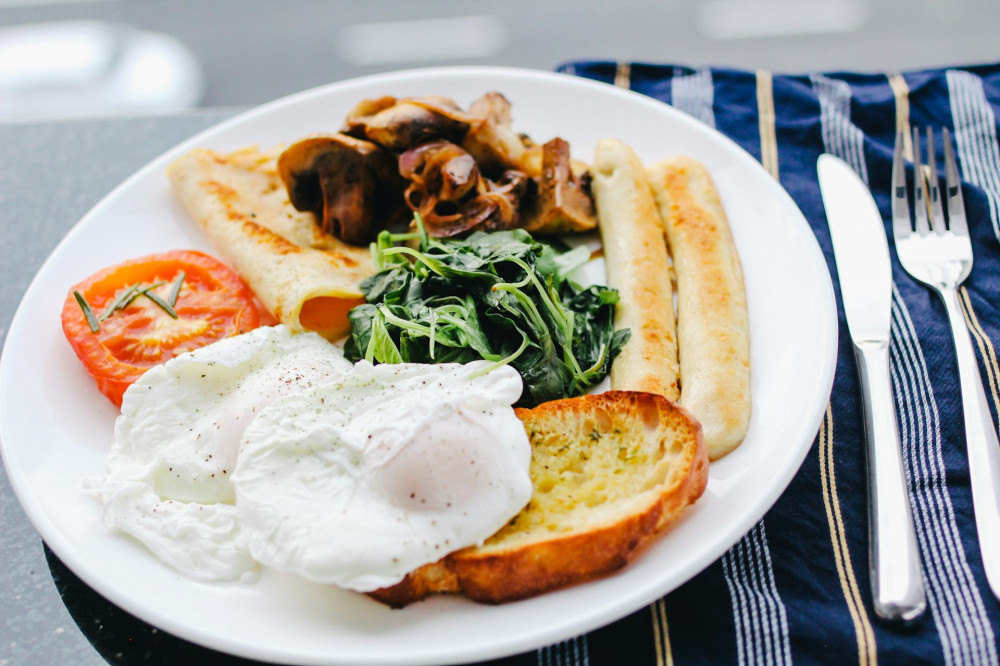
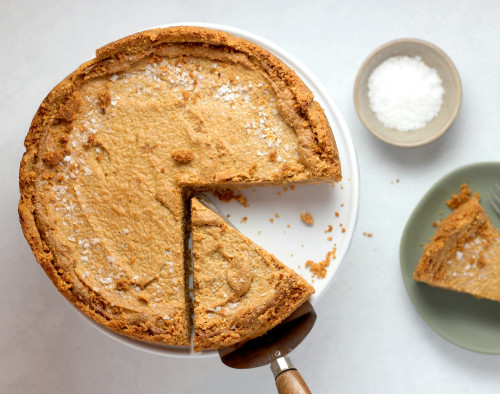
- Light backgrounds create a clean, fresh, and modern look. They work well for salads, breakfast dishes, and lighter meals.
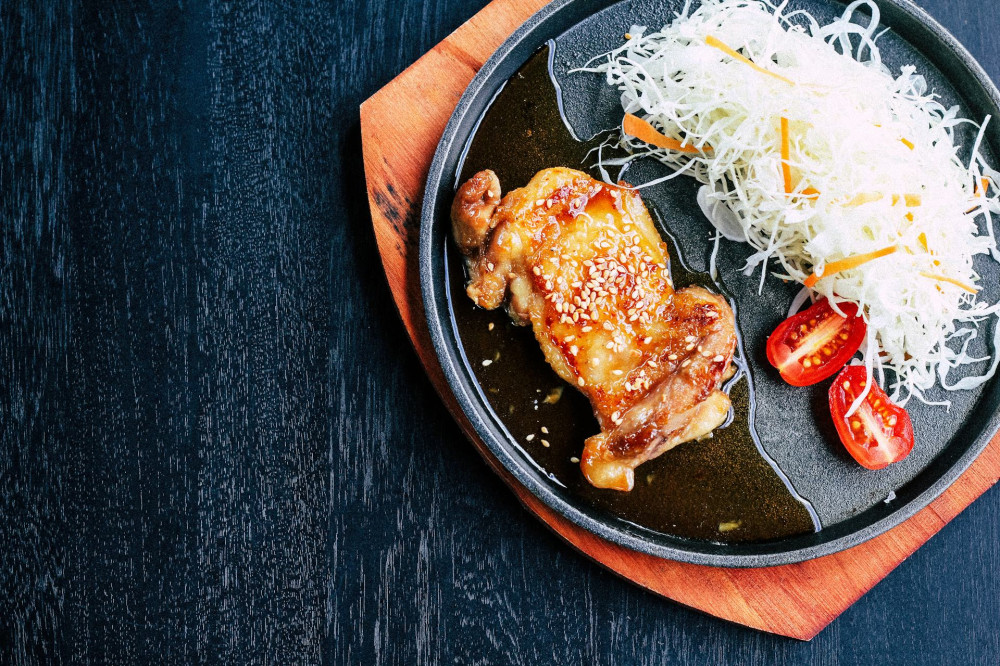
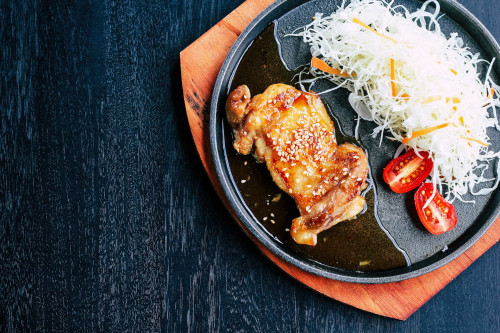
- Dark backgrounds add depth and contrast, making colors pop. They’re great for hearty dishes, baked goods, and cozy winter foods.
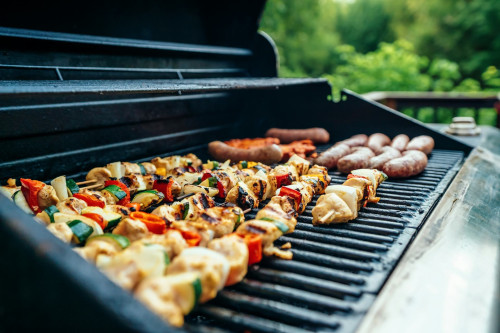
- Natural materials like wood, stone, or linen bring texture and authenticity. They evoke a sense of warmth, craft, and home.
Avoid cluttered or distracting backgrounds. A messy countertop or a colorful wall can pull attention away from the food. Keep it simple, and let the background support the mood rather than dominate it.
The Surface – The Foundation of Composition
The surface your food rests on has a huge impact on how the image feels. A rustic wooden table tells a different story than a sleek marble slab.
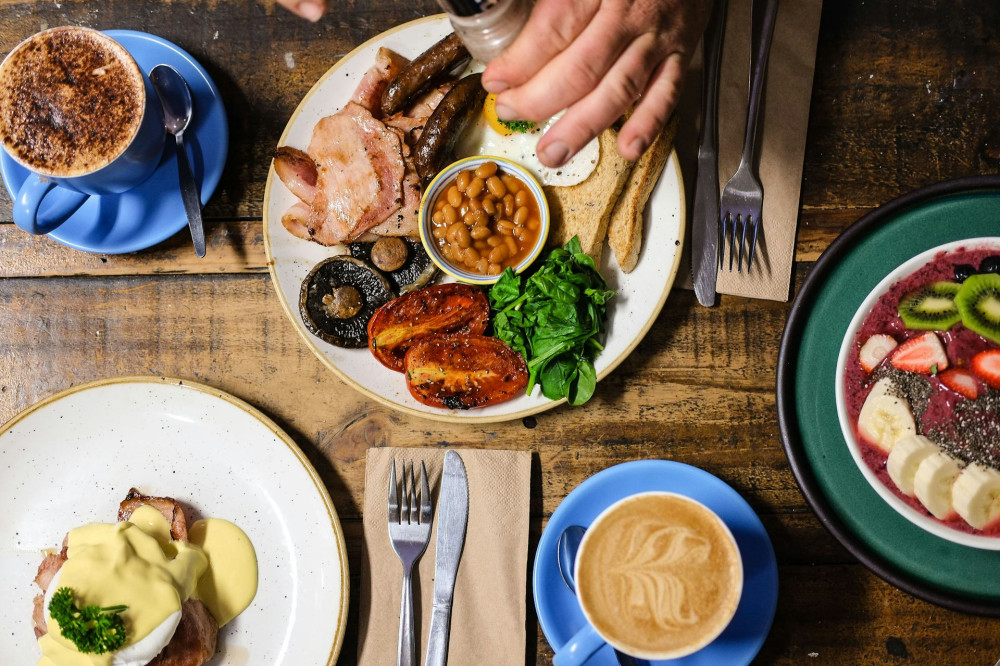
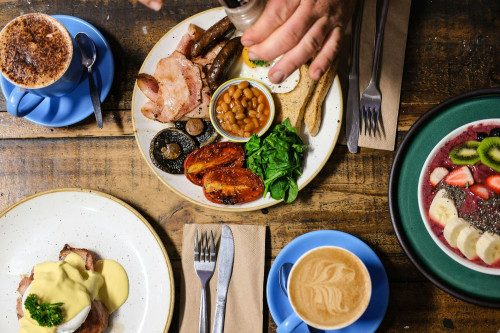
- Wood adds warmth and texture. It’s perfect for comfort food, bread, and dishes with earthy tones.
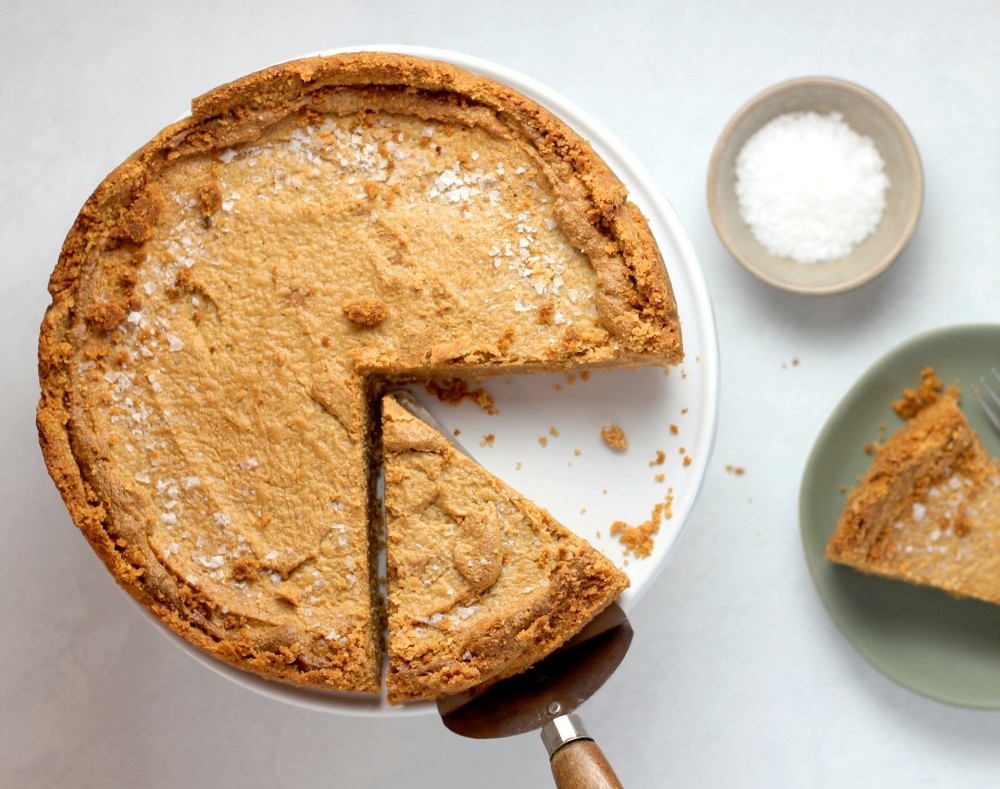
- Marble or stone conveys elegance and freshness – ideal for desserts, seafood, and modern plating.
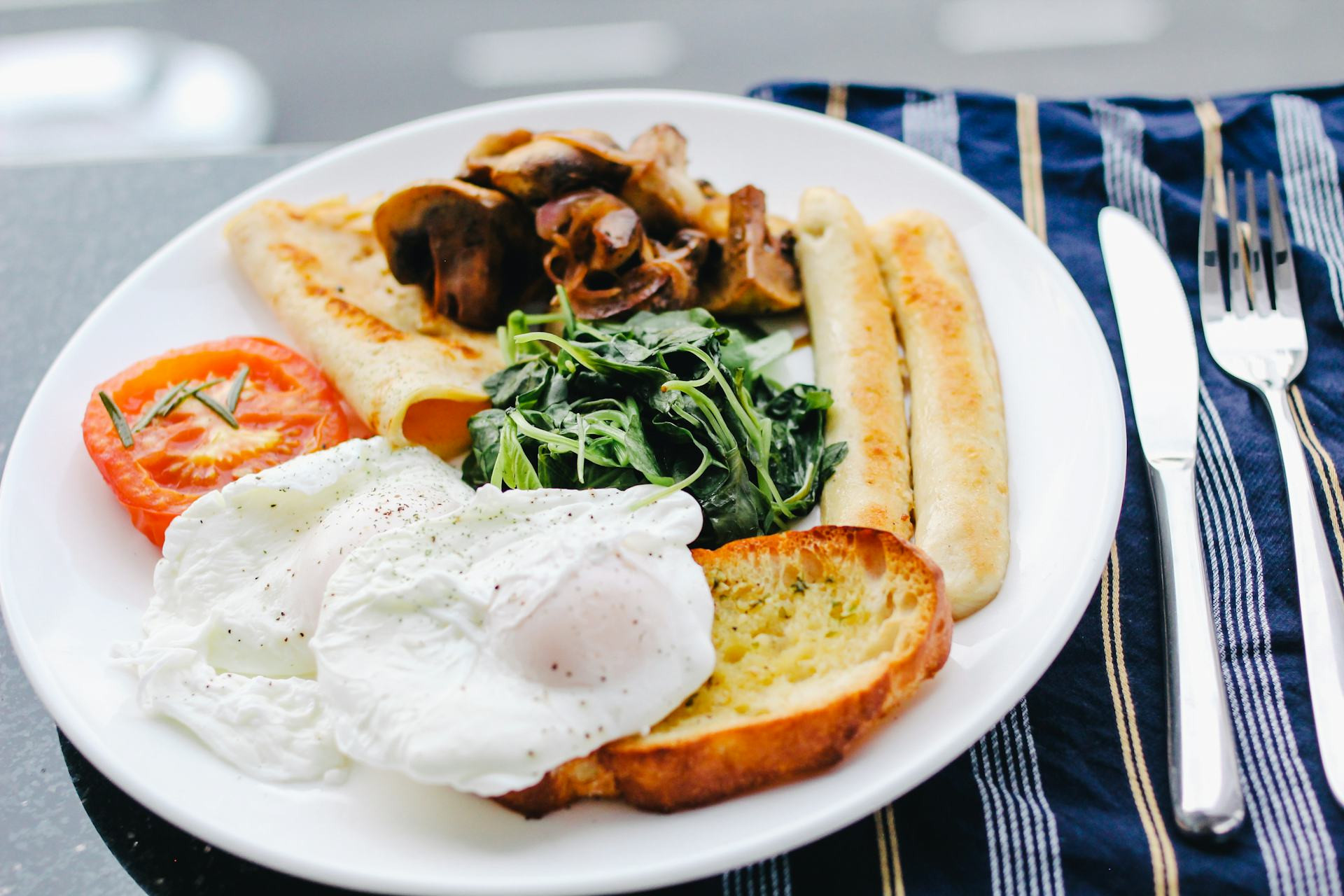
- Textiles like linen, cotton, or wool can soften the image and create a cozy atmosphere. Use them as tablecloths, napkins, or layers under plates and bowls.
Pay attention to color as well. A light surface can make dark dishes stand out, while a dark surface can add depth to lighter foods. Experiment with contrast, but make sure the tones complement the dish.
Læs også:
Color, Texture, and Balance
A great food photo is all about balance – between light and shadow, color and texture. Background and surface should work together with the food, not compete with it.
If your dish is colorful, a neutral background can create calm. If the food is simple in tone, a more textured or vibrant background can add energy. Consider texture, too: a smooth soup looks beautiful against a rough surface, while a crisp tart can be highlighted by a soft fabric.
Think in layers: background, surface, tableware, and food. Each layer should add its own nuance while still feeling part of a cohesive whole.
Using Props with Intention
Props like utensils, glasses, napkins, and ingredients can bring life to your image – but they should be used with care. Too many can feel chaotic, while too few can make the image flat.
Choose props that match the mood: vintage silverware for classic dishes, a simple wooden spoon for rustic meals, or modern glassware for minimalist setups. Pay attention to how materials and colors interact with your background and surface.
A good trick is to leave something slightly imperfect – a crumb on the table, a napkin that’s not perfectly folded. These small details add life and authenticity to your photo.
Light and Atmosphere – The Final Layer
Even the most beautiful background loses its power without the right light. Natural light from the side or back creates soft shadows and highlights textures. Avoid harsh, direct light that can cause unwanted reflections.
Think about how the light interacts with your background and surface. A bright setup often benefits from diffused light, while a darker scene can handle more contrast. Use reflectors or white boards to guide the light and make the food look as appetizing as possible.
Finding Your Own Style
There’s no single right way to photograph food. Some photographers love minimalism, while others embrace a rustic, moody look. The key is to find a style that feels authentic to you – one that tells the story you want to share.
Experiment with different backgrounds and surfaces. Play with color, material, and light. Over time, you’ll discover how small adjustments can completely change the atmosphere of an image.
In the end, food photography is about awakening the senses – and that happens best when background and surface work in harmony with the food itself.
Læs også: