When a ship reaches the end of its operational life, it does not mean that all of its components have lost their value. In many cases, the vessel may no longer meet modern efficiency standards, regulatory requirements, or economic expectations, yet several of its
engines and mechanical systems remain functional. Instead of scrapping everything, these engines can be carefully removed, refurbished, and repurposed for new applications on land or at sea.
Ships are built with durability in mind. Marine engines are designed to operate for thousands of hours under heavy loads and harsh environmental conditions. Because of this, even older engines often have significant remaining service life. With proper inspection, maintenance, and adaptation, they can be reused in industries such as power generation, construction, agriculture, and transport.
Reusing engines from decommissioned ships also aligns with sustainable practices. It reduces material waste, lowers demand for newly manufactured machinery, and minimizes environmental impact. The key is to evaluate each engine type individually and identify the most suitable second-life application.
Main propulsion engines and alternative land-based uses
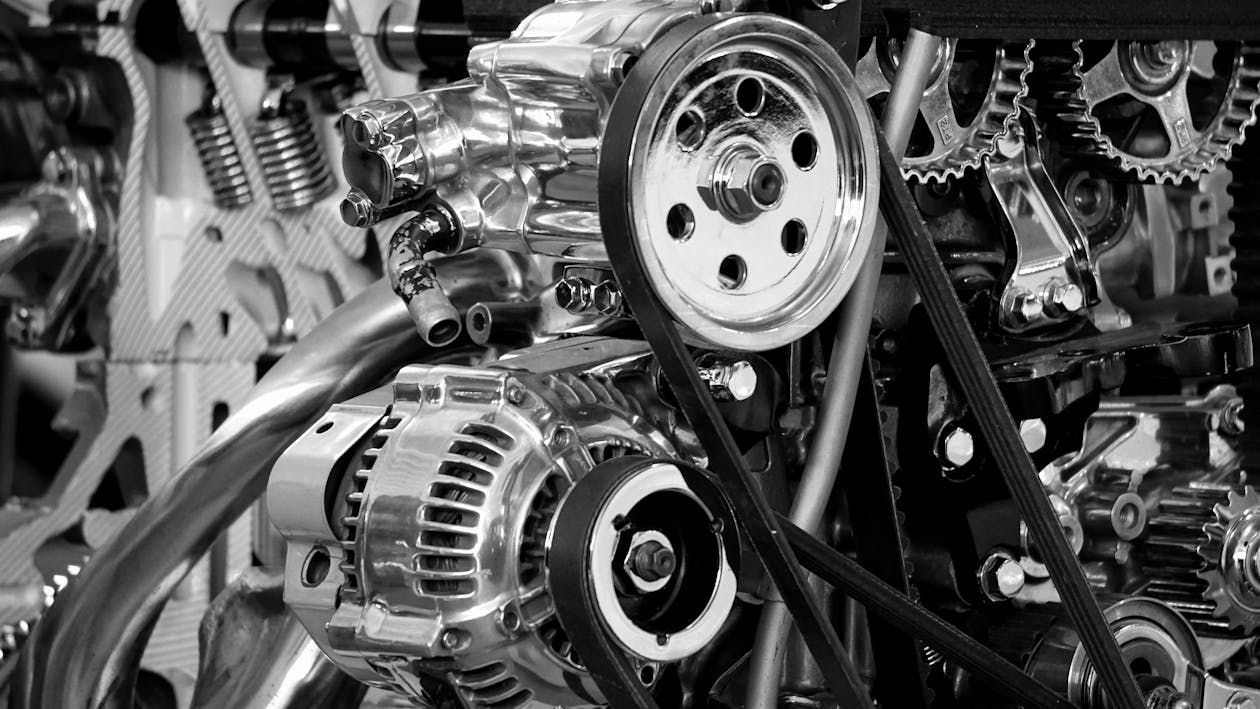
The main propulsion engines are the heart of any ship. These large engines—often diesel-powered two-stroke or four-stroke units—are designed to move massive vessels across oceans. When a ship is retired, these propulsion engines may still have considerable operational capacity.
One common reuse option is converting large marine engines into stationary power generators. In remote areas, industrial sites, or developing regions, refurbished marine engines can provide reliable electricity. Their robust construction makes them well-suited for continuous power production.
Additionally, some propulsion engines can be adapted for use in heavy industrial machinery. Mining operations, large-scale pumping stations, and construction facilities may benefit from high-torque engines originally designed for maritime propulsion. With modifications to cooling systems and fuel management, these engines can transition from sea to land applications successfully.
The reuse of propulsion engines requires technical expertise, but when properly reconditioned, they can operate efficiently for many more years.
Auxiliary engines for generators and backup systems
Beyond the main propulsion system, ships are equipped with auxiliary engines. These engines typically power onboard generators that supply electricity for lighting, navigation equipment, refrigeration, and crew facilities. Auxiliary engines are often smaller and more versatile than the main propulsion engines.
Because they are already designed for electricity generation, auxiliary engines are particularly suitable for stationary generator applications after decommissioning. They can be installed in factories, hospitals, farms, or commercial buildings as primary or backup power sources.
In regions with unstable power grids, refurbished auxiliary engines provide dependable emergency electricity. Their marine-grade engineering ensures resilience and reliability, even under demanding conditions.
Some auxiliary engines can also be integrated into hybrid energy systems, supporting renewable energy installations like wind or solar farms. In such setups, they function as backup engines, stabilizing the grid when renewable output fluctuates.
The adaptability of auxiliary engines makes them one of the most practical engine types to reuse from retired vessels.
Hydraulic and pump engines for industrial operations
Ships rely heavily on hydraulic systems and pump engines to manage ballast water, fuel transfer, cooling systems, and firefighting equipment. These engines are built to handle constant operation and high pressure.
When removed from a decommissioned ship, hydraulic engines and pump engines can serve a wide range of industrial applications. For example, they may be repurposed in water treatment plants, irrigation systems, oil and gas facilities, or construction projects requiring heavy-duty pumping capacity.
Because marine pump engines are designed for reliability in corrosive environments, they are often well-suited for demanding land-based operations. After appropriate inspection and refurbishment, these engines can continue performing critical tasks efficiently.
Repurposing hydraulic engines not only reduces waste but also provides cost-effective solutions for industries that require durable and high-performance equipment.
Smaller onboard engines for vehicles and machinery
Ships also contain smaller engines used in lifeboats, small service boats, ventilation systems, and auxiliary mechanical functions. Although less powerful than propulsion engines, these units are often in good condition when a ship is retired.
These smaller engines can be reused in agricultural machinery, construction equipment, or specialized vehicles. For example, compact diesel engines originally used in ship tenders may be adapted for tractors, generators, or industrial compressors.
In some cases, hobbyists and small businesses purchase refurbished marine engines for custom projects, including experimental vehicles or workshop machinery. With proper reconfiguration and compliance adjustments, these engines can operate safely and efficiently outside the maritime environment.
Their compact size and relatively straightforward design make smaller engines easier to transport, install, and maintain in secondary applications.
Environmental considerations when reusing marine engines
Reusing engines from decommissioned ships offers environmental advantages, but certain factors must be addressed carefully. Marine engines are often designed to run on heavy fuel oil or marine diesel, which may not meet modern emission standards for land-based use.
Before reuse, engines may require modifications to comply with environmental regulations. This can include upgrading fuel injection systems, installing emission control technologies, or converting engines to operate on cleaner fuels such as low-sulfur diesel or biofuel.
Despite these adjustments, the environmental benefits of reusing existing engines are substantial. Manufacturing new engines requires significant energy, raw materials, and transportation. By extending the lifecycle of marine engines, we reduce the demand for new production and limit associated carbon emissions.
Responsible dismantling and refurbishment processes are essential to ensure that reused engines operate efficiently and safely in their new roles.
Economic value and long-term benefits of reconditioned engines
From a financial perspective, reusing engines from retired ships can be highly advantageous. Purchasing new industrial engines is often expensive, particularly for heavy-duty applications. Refurbished marine engines offer a cost-effective alternative without sacrificing reliability.
Companies specializing in engine reconditioning can disassemble, inspect, repair, and test marine engines to restore performance standards. When properly certified, these engines provide dependable service at a fraction of the cost of new units.
Furthermore, reusing engines supports the broader maritime recycling industry. Instead of scrapping ships entirely, valuable components are salvaged and reintegrated into other sectors. This creates economic activity, generates jobs, and promotes a circular economy.
For shipowners, selling engines separately from the hull may also increase the overall return from decommissioning a vessel. Rather than treating the ship as waste, its engines become assets for future projects.
In conclusion, a decommissioned ship can still serve society in many ways through the reuse of its engines. From large propulsion engines converted into power generators to smaller auxiliary engines adapted for machinery, the possibilities are extensive. By focusing on refurbishment, compliance, and innovation, these engines can continue operating efficiently for years to come. Reusing marine engines not only delivers economic value but also contributes to a more sustainable and resource-efficient future.