From Retro to Futuristic: How Casino Games Reflect the Trends of the Times

From Retro to Futuristic: How Casino Games Reflect the Trends of the Times
Casino games have always mirrored the spirit of their era. From the clinking of mechanical slot machines in smoky lounges to today’s immersive digital worlds powered by artificial intelligence, the evolution of casino entertainment has followed—and often anticipated—technological and cultural shifts. In many ways, the casino industry is a fascinating lens through which to view how nostalgia and innovation coexist in modern entertainment.
From Vegas Glamour to Digital Nostalgia
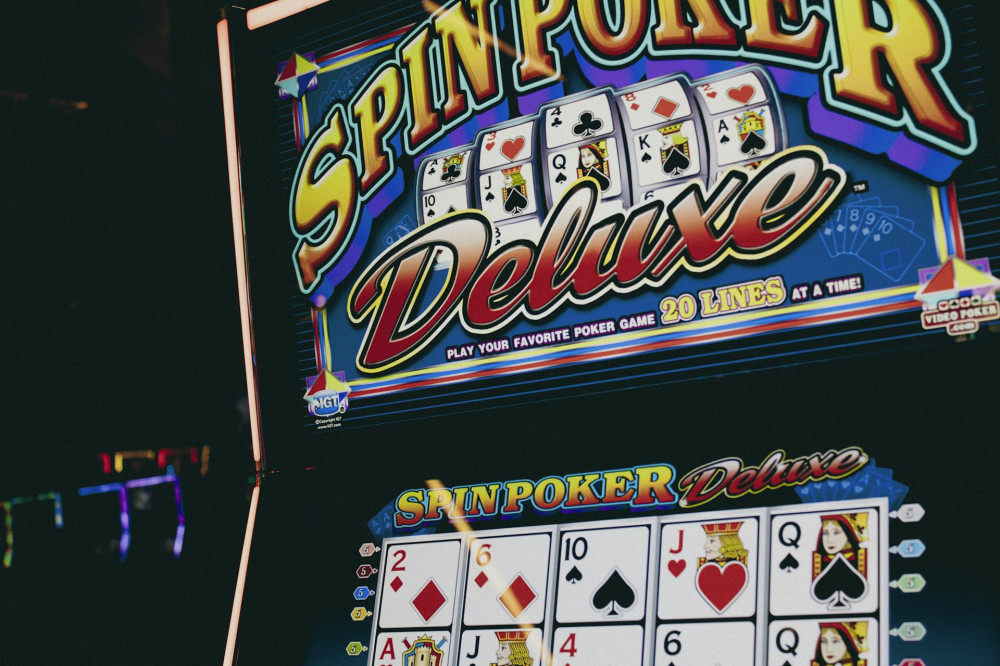
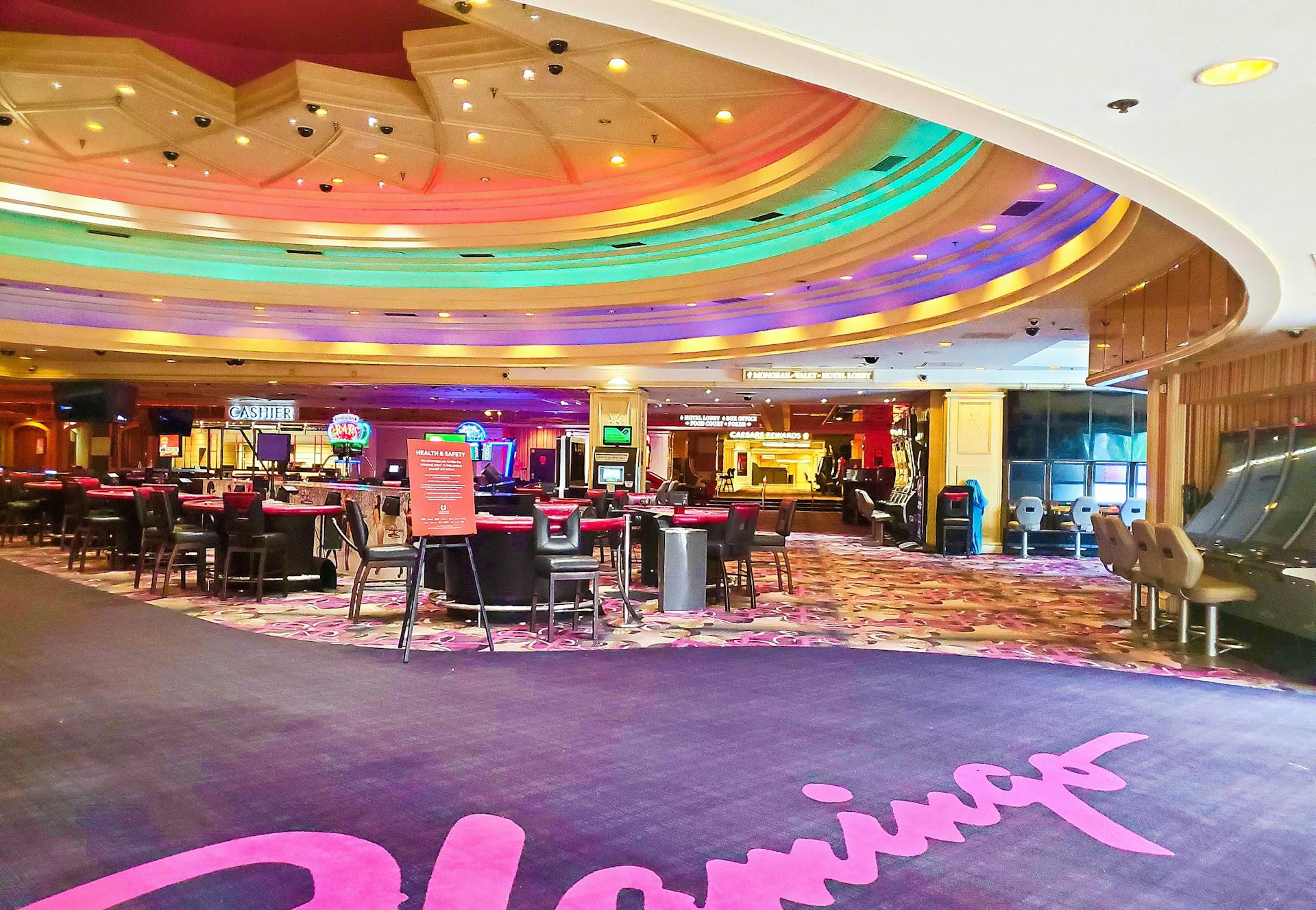
In the mid-20th century, Las Vegas was the beating heart of American glamour. The neon lights, the sound of coins hitting metal trays, and the promise of instant fortune captured the optimism of postwar America. Slot machines with cherries, bells, and lucky sevens became cultural icons—symbols of freedom, luck, and the thrill of possibility.
Today, that retro aesthetic lives on in online casinos and mobile apps. Game developers intentionally design “classic” slots that evoke the look and feel of vintage machines. For many players, these games offer more than entertainment—they provide a comforting sense of familiarity in a fast-changing digital world. Nostalgia has become a design language, connecting players to a simpler time when gaming was about excitement and chance rather than algorithms and data.
The Rise of Technology: From Mechanics to the Metaverse
The casino industry has always been quick to embrace new technology. The shift from mechanical slots to digital video machines in the 1980s and 1990s revolutionized the gaming floor. Then came the internet, which brought casino games into homes across the country. Suddenly, anyone with a computer could spin the reels or play a hand of blackjack without ever stepping into a casino.
Now, we’re entering a new frontier. Virtual reality (VR) and augmented reality (AR) are transforming how players experience games. VR casinos allow users to walk through realistic 3D environments, interact with dealers, and chat with other players—all from their living rooms. Artificial intelligence (AI) personalizes gameplay, learning from player behavior to tailor challenges, bonuses, and recommendations.
These innovations are not just making games more advanced—they’re redefining entertainment itself. The line between gaming, social interaction, and digital experience is becoming increasingly blurred.
Design and Aesthetics: When Games Become Culture
Casino games today are as much about art and storytelling as they are about winning. Developers draw inspiration from Hollywood, music, fashion, and pop culture. A single game might transport players to a 1920s speakeasy, a futuristic space station, or a mythical kingdom. This diversity of themes reflects broader cultural trends—from the current fascination with retro design to the growing appetite for immersive, cinematic experiences.
User experience has also become central. Modern players expect games that are not only fun but visually stunning, intuitive, and emotionally engaging. This mirrors trends in other creative industries like film and design, where aesthetics and functionality merge to create seamless experiences.
Responsibility and Transparency: The Modern Player’s Expectations
One of the most significant shifts in recent years has been the growing emphasis on responsible gaming. Where casinos were once associated with risk and excess, today’s platforms prioritize transparency, safety, and player well-being. Many online casinos now offer tools that allow players to set time and spending limits, and there’s greater awareness around preventing addiction.
This change reflects a broader societal movement toward mindfulness and balance in the digital age. Players want to enjoy the thrill of gaming—but in a way that feels safe, ethical, and under control.
Læs også:



The Future: Gaming as Experience and Community
The future of casino gaming may not be about faster spins or flashier graphics, but about deeper experiences. Social casinos—where players compete for fun rather than money—are growing in popularity, emphasizing connection and community over profit. Meanwhile, blockchain technology and NFTs are introducing new ways for players to own digital assets and rewards, adding a layer of authenticity and personalization to the experience.
The futuristic casino is no longer a physical place—it’s an experience, accessible from anywhere yet connected to a global network of players.
From Past to Future: A Journey Through the Mirror of Entertainment
From the mechanical reels of the past to the virtual worlds of tomorrow, casino games have evolved alongside society itself. Each era leaves its mark—from the nostalgic charm of retro design to the cutting-edge possibilities of AI and VR. Ultimately, casino games continue to captivate because they reflect something deeply human: our love of chance, our curiosity for innovation, and our desire to play. In every spin, shuffle, and roll of the dice, we see not just a game—but a reflection of the times we live in.
Læs også: