Cultural Journeys on Your Terms – From Group Tours to Solo Adventures

Cultural Journeys on Your Terms – From Group Tours to Solo Adventures
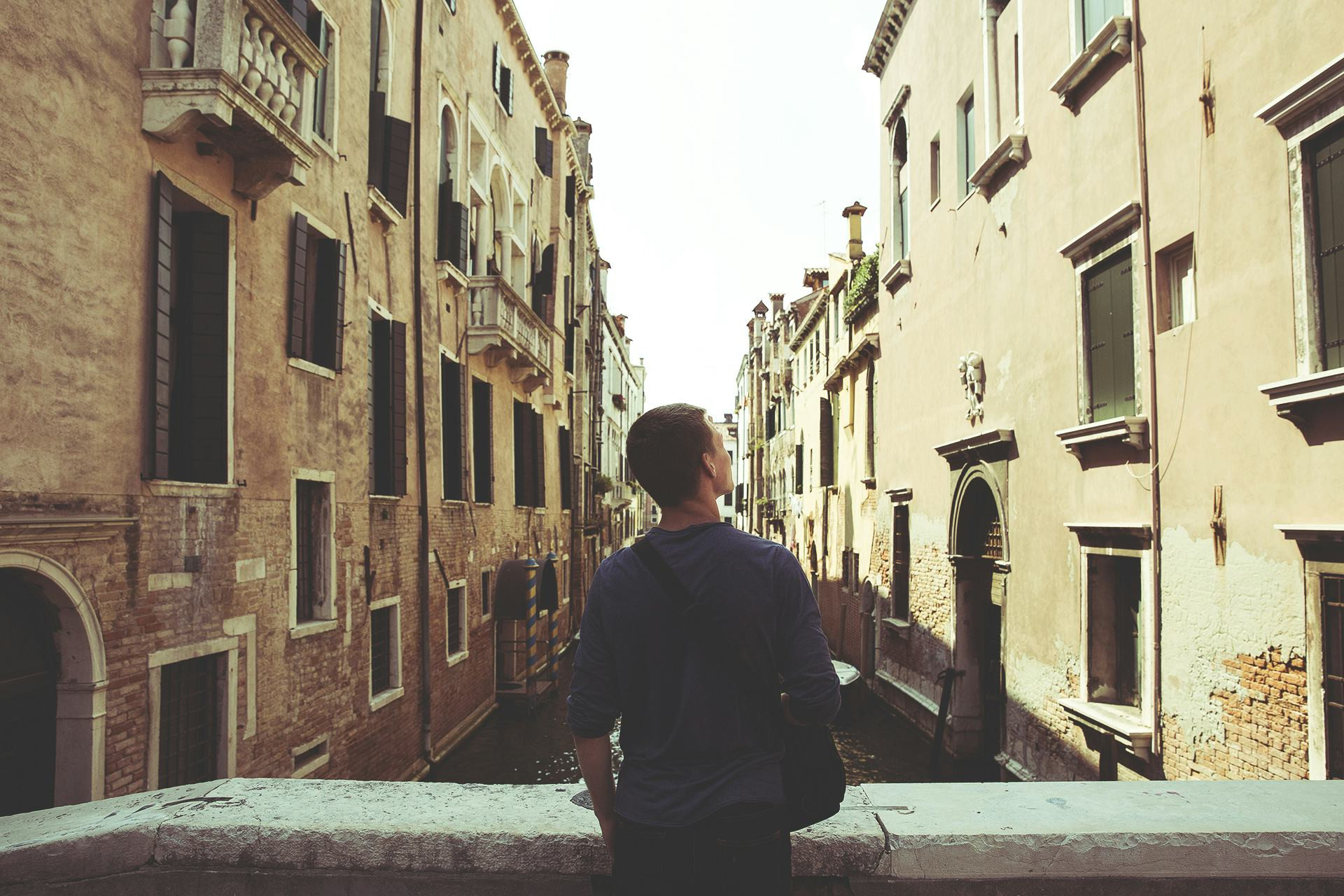
Travel today is about more than checking landmarks off a list. It’s about connecting with people, understanding traditions, and experiencing culture from the inside out. Cultural travel has evolved from traditional guided group tours to more flexible and personal adventures that let you set your own pace. Whether you prefer the comfort of traveling with others or the independence of going solo, you can now shape your journey to match your interests, rhythm, and way of exploring the world.
Group Tours – Connection and Comfort
For many travelers, group tours remain the perfect way to experience culture. You travel with a knowledgeable guide who understands the history, language, and customs of the destination, and you share the experience with others who have similar interests. This creates a sense of community and security—especially when visiting places where the culture or language feels unfamiliar.
Group tours come in many forms: classic itineraries through Italy or Greece, art and architecture tours in Europe, or culinary journeys through Southeast Asia. Some companies even offer small-group options with just 8–12 participants, allowing for deeper engagement and more spontaneous moments along the way.
The biggest advantage of a group tour is convenience. Transportation, accommodations, and tickets are all arranged for you, so you can focus on learning and enjoying. The trade-off is that the schedule is usually fixed, leaving less room for personal exploration.
Læs også:

Flexible Cultural Travel – Freedom with Structure
Many travelers today want more independence while still enjoying some structure. That’s why flexible cultural trips have become increasingly popular. These trips provide a foundation—flights, hotels, and perhaps a few guided experiences—while leaving plenty of time for you to explore on your own.
Imagine spending a week in Rome: guided tours of the Colosseum and Vatican City at the start, followed by free days to wander through local markets, discover hidden piazzas, and linger at a café with a view. Or picture a trip to Japan where your rail passes and accommodations are prearranged, but you decide which temples, museums, or neighborhoods to visit each day.
This type of travel suits those who appreciate both freedom and organization. You get the best of both worlds—structure and spontaneity—without the stress of planning every detail.
Solo Adventures – Immersing Yourself in Culture
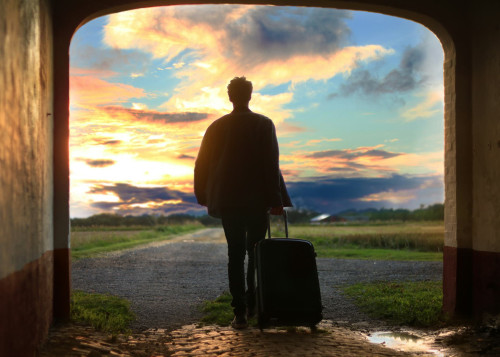
Traveling alone can seem daunting, but for many, it becomes one of life’s most rewarding experiences. You set your own pace, follow your own interests, and often find it easier to connect with locals when you’re not part of a group.
Solo cultural travel is ideal for the curious explorer who wants to dive deep into everyday life. It might mean taking a cooking class in Morocco, joining a dance workshop in Cuba, or staying with a host family in Vietnam. When you travel solo, you open yourself to encounters and insights that rarely happen on a structured tour.
To make the most of a solo trip, preparation is key. Learn a few phrases in the local language, read about customs and etiquette, and stay flexible—because the most memorable moments often come from the unexpected.
Choosing the Right Travel Style
There’s no single “right” way to take a cultural journey—it depends on what you’re looking for.
- Choose a group tour if you value guidance, community, and convenience.
- Choose a flexible trip if you want a balance between planned experiences and free time.
- Choose a solo adventure if you crave independence and deeper cultural immersion.
Also consider how much time you have and how much planning you want to do yourself. A short vacation might be perfect for a guided tour, while a longer trip allows for more independent exploration.
Cultural Journeys on Your Terms
Whether you travel with a group, on a flexible itinerary, or completely on your own, cultural travel today is about creating experiences that are meaningful to you. It’s no longer just about taking photos of monuments—it’s about understanding the stories behind them, tasting the local food, meeting the people, and feeling the atmosphere.
Cultural journeys on your terms mean defining what makes travel valuable for you. It could be the quiet of a monastery in Tuscany, the rhythm of a street festival in Havana, or a conversation with an artist in Lisbon. What matters most is traveling with curiosity—and an open mind.
Læs også: