Being a Guest at a Funeral: Practical Advice and Emotional Preparation

Being a Guest at a Funeral: Practical Advice and Emotional Preparation
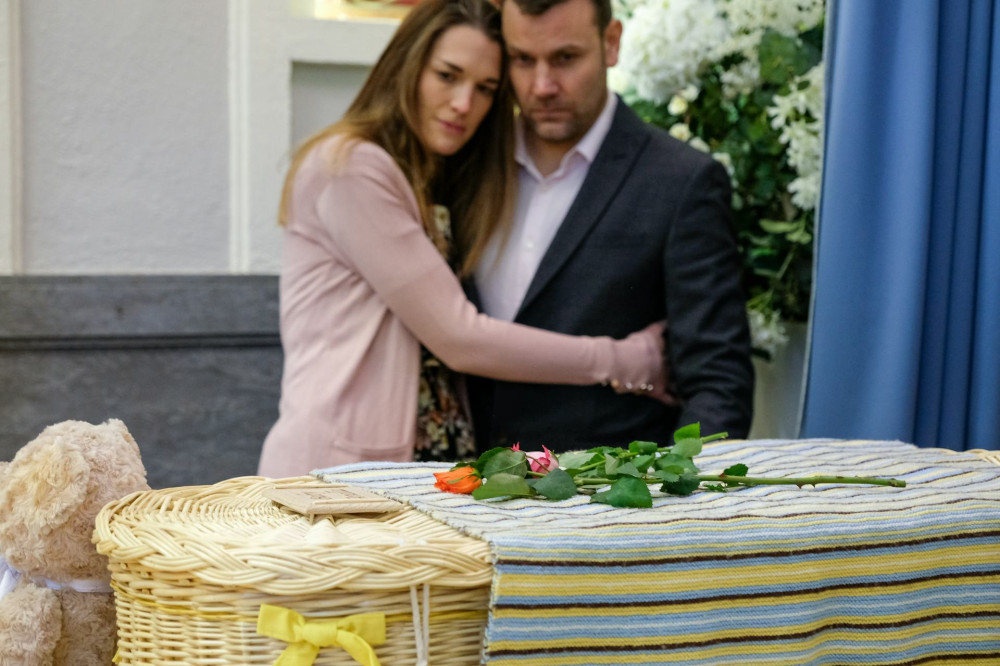
Attending a funeral is one of the most delicate and emotional experiences you can have as a guest. It’s a day filled with grief, remembrance, and respect — and many people feel uncertain about how to behave, what to say, or how best to support the bereaved. This guide offers practical advice and emotional preparation for being a guest at a funeral in the United States.
Understanding Your Role as a Guest
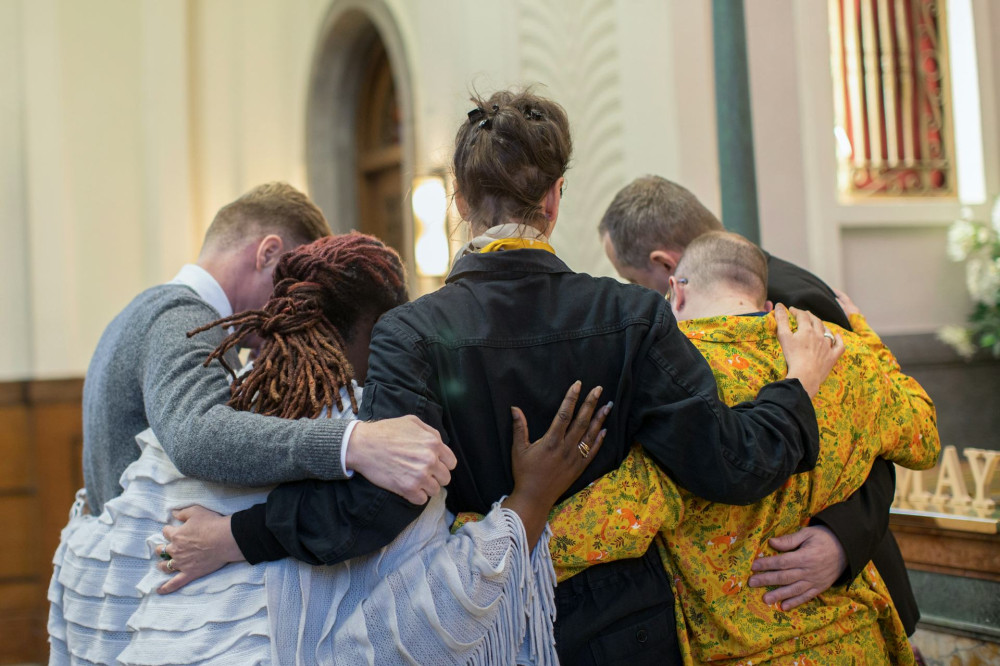
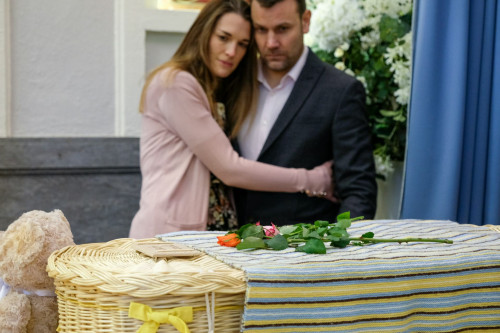
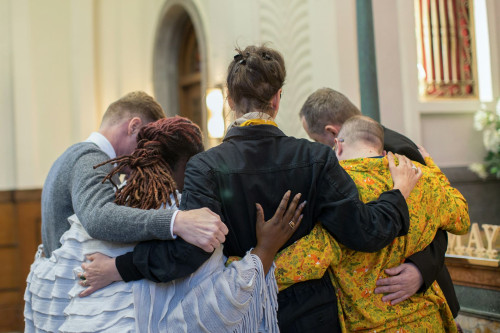
Your primary role as a guest is to honor the person who has passed and to offer comfort to their loved ones. You don’t need to have the perfect words — often, your presence alone is deeply meaningful. Simply being there, listening, and showing quiet support can make a difference.
If you knew the deceased well, you might share a memory or a few kind words with the family. If you didn’t know them personally, a simple expression of sympathy such as “I’m so sorry for your loss” or “You’re in my thoughts” is entirely appropriate.
Dressing Appropriately
Funeral customs in the U.S. vary depending on religion, culture, and family preferences, but generally, conservative and subdued clothing is best. Black is traditional, but dark gray, navy, or other muted tones are also acceptable.
Avoid bright colors, flashy patterns, or casual attire like jeans, shorts, or sneakers unless the family has specifically requested a more relaxed or themed dress code. If you’re unsure, it’s always fine to ask a family member or check the obituary notice — sometimes it will mention if the family prefers “celebration of life” attire or lighter colors.
Arriving on Time
Plan to arrive 10–15 minutes before the service begins. This allows you to find a seat and settle quietly. If you arrive late, wait until a natural pause — such as between readings or songs — before entering.
Be sure to silence your phone and avoid taking photos or videos during the service unless the family has explicitly invited guests to do so.
During the Service
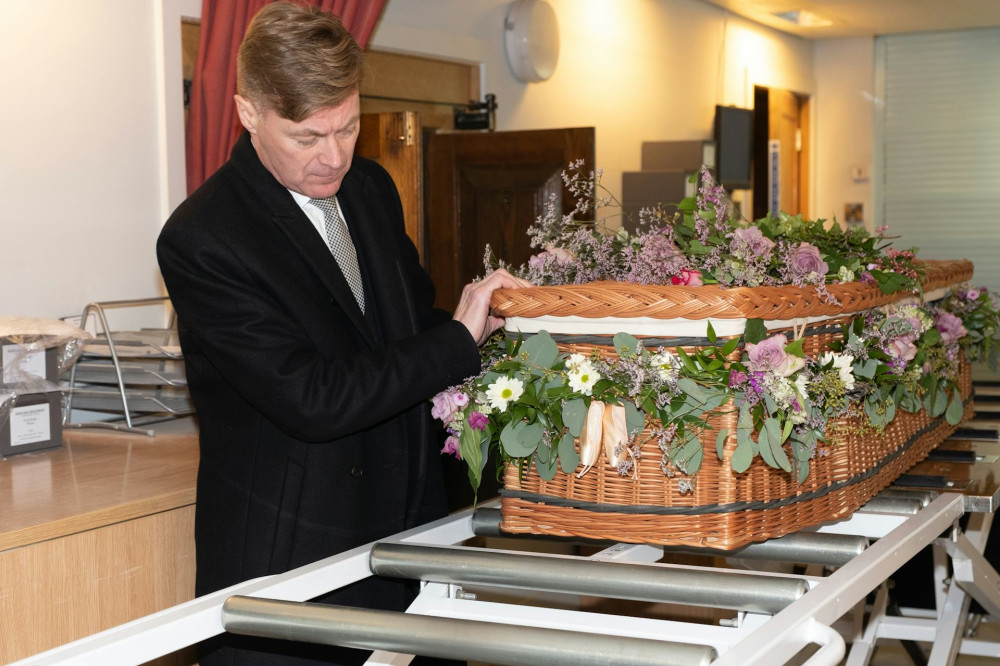
Funerals in the U.S. can take place in a church, funeral home, cemetery chapel, or another meaningful location. Follow the lead of the officiant and other guests — stand, sit, or bow your head when others do. If there are hymns or songs, you may join in if you feel comfortable.
It’s natural to feel emotional. Tears are a normal part of grief, and you don’t need to hide them. If you need a moment, quietly wipe your eyes or take a few deep breaths.
Læs også:


After the Service
Many funerals are followed by a graveside service or interment. You may choose to attend if you feel comfortable doing so; it can provide a sense of closure. Afterward, families often host a reception or gathering — sometimes called a “repast” or “celebration of life.” The atmosphere is usually more relaxed, offering a chance to share memories and support one another. You don’t have to stay long, but attending, if invited, is a thoughtful gesture.
What to Say — and What to Avoid
Finding the right words can be difficult. The most important thing is to speak sincerely. Simple, heartfelt statements are often best, such as:
- “I’m so sorry for your loss.”
- “He/She will be deeply missed.”
- “You and your family are in my thoughts.”
Avoid trying to explain the loss or offer platitudes like “They’re in a better place” or “Everything happens for a reason.” Even if well-intentioned, such phrases can feel dismissive. The most meaningful thing you can do is to acknowledge the loss and show that you care.
Emotional Preparation
Attending a funeral can stir up many emotions — even if you weren’t close to the deceased. It may remind you of your own past losses or your own mortality. Allow yourself to feel whatever comes up, and talk with someone afterward if you need to process the experience.
If you’re supporting a close friend or family member, remember that grief doesn’t end with the funeral. Your continued presence and check-ins in the weeks and months that follow can mean a great deal.
A Day to Remember — and to Be Present
A funeral is not only about saying goodbye; it’s also about honoring a life that mattered. As a guest, you are part of a shared act of remembrance and compassion. You don’t need grand gestures or perfect words — your presence, respect, and empathy are what truly count.
Læs også: