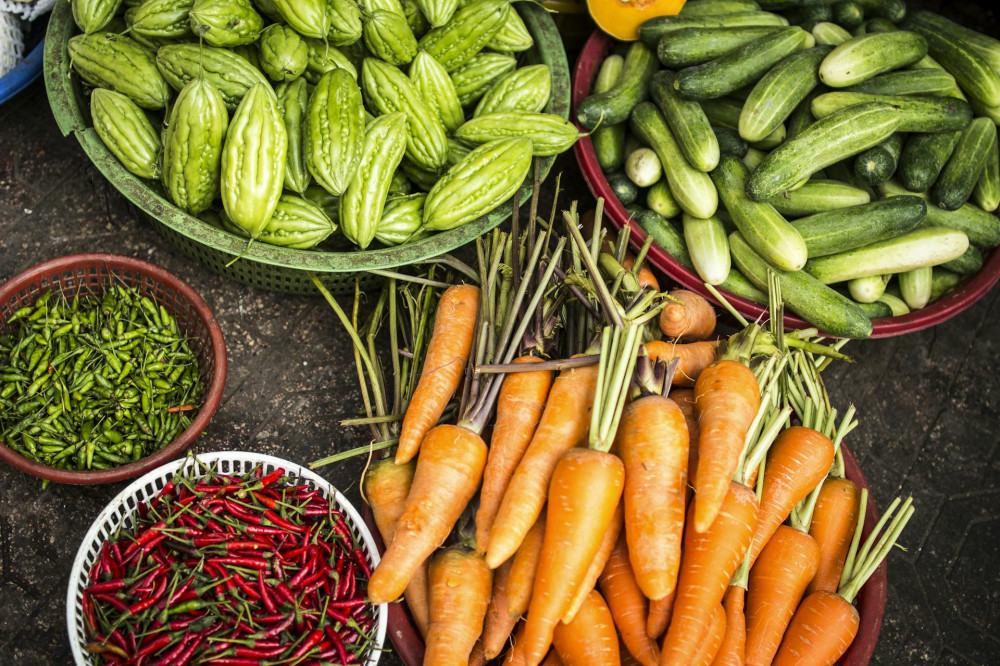
A varied diet that meets your needs – no supplements, no stress


A varied diet that meets your needs – no supplements, no stress
In a world full of diet trends, superfoods, and supplement ads, it’s easy to feel overwhelmed about what to eat. Many Americans worry that they’re not getting enough nutrients unless they take pills or powders. But the truth is, a healthy, balanced diet doesn’t have to be complicated — and for most people, it provides everything the body needs without extra supplements.
Here’s how to eat well, simply, and without stress.
The basics of a balanced diet
A varied diet isn’t about following strict rules or cutting out entire food groups. It’s about giving your body the right mix of nutrients from different sources.
According to the Dietary Guidelines for Americans, a healthy eating pattern includes:
- Plenty of vegetables and fruits — aim for a colorful variety every day.
- Whole grains instead of refined ones.
- Lean proteins such as poultry, fish, beans, and nuts.
- Limited amounts of red and processed meats.
- Healthy fats from sources like olive oil, avocados, and nuts.
- Water as your main beverage.
When you follow these simple principles, you naturally get most of the vitamins, minerals, and nutrients your body needs.
Læs også:


Meeting your needs without supplements
For most healthy adults, supplements aren’t necessary if you eat a balanced diet. There are a few exceptions — for example, vitamin D during the darker months in northern states, or vitamin B12 for those following a vegan diet.
But in everyday life, you can get what you need from regular foods:
- Iron is found in lean meats, beans, lentils, spinach, and fortified cereals.
- Calcium comes from dairy products, fortified plant milks, and leafy greens like kale and broccoli.
- Omega-3 fatty acids are abundant in salmon, sardines, and trout — or in walnuts and flaxseeds for plant-based eaters.
- Protein is available from both animal and plant sources — chicken, eggs, tofu, beans, and nuts all count.
By mixing different foods throughout the week, you’ll naturally cover your nutrient bases — no pills required.
Making healthy eating easy
Healthy eating should fit into your life, not take it over. It’s about habits that last, not perfection.
Try these simple strategies:
- Plan your meals for the week to save time and reduce food waste.
- Cook extra portions so you have leftovers for lunch.
- Fill half your plate with vegetables — an easy rule of thumb.
- Keep healthy snacks handy — like fruit, nuts, or cut-up veggies.
- Be flexible — enjoying pizza or dessert occasionally is part of balance.
When healthy choices are convenient, they become second nature.
Let go of food stress
Many people associate healthy eating with guilt or restriction. But food should bring energy, comfort, and enjoyment — not anxiety.
Instead of focusing on what to avoid, ask yourself: How can I add more of what makes me feel good? Maybe that means more home-cooked meals, more vegetables, or more shared dinners with family and friends.
Listening to your body is part of eating well — noticing hunger, fullness, and satisfaction helps you find balance without rigid rules.
Health is about the big picture
No single food will make you healthy, and no single treat will ruin your progress. What matters is the overall pattern — what you eat most of the time.
If you eat a variety of foods, stay active, and get enough sleep, you’re already doing the most important things for your health. Supplements and extreme diets rarely improve on that — and often just add stress.
So next time you’re tempted by the latest “miracle” product, remember: a simple, varied diet is still the best foundation for both body and mind.
Læs også: